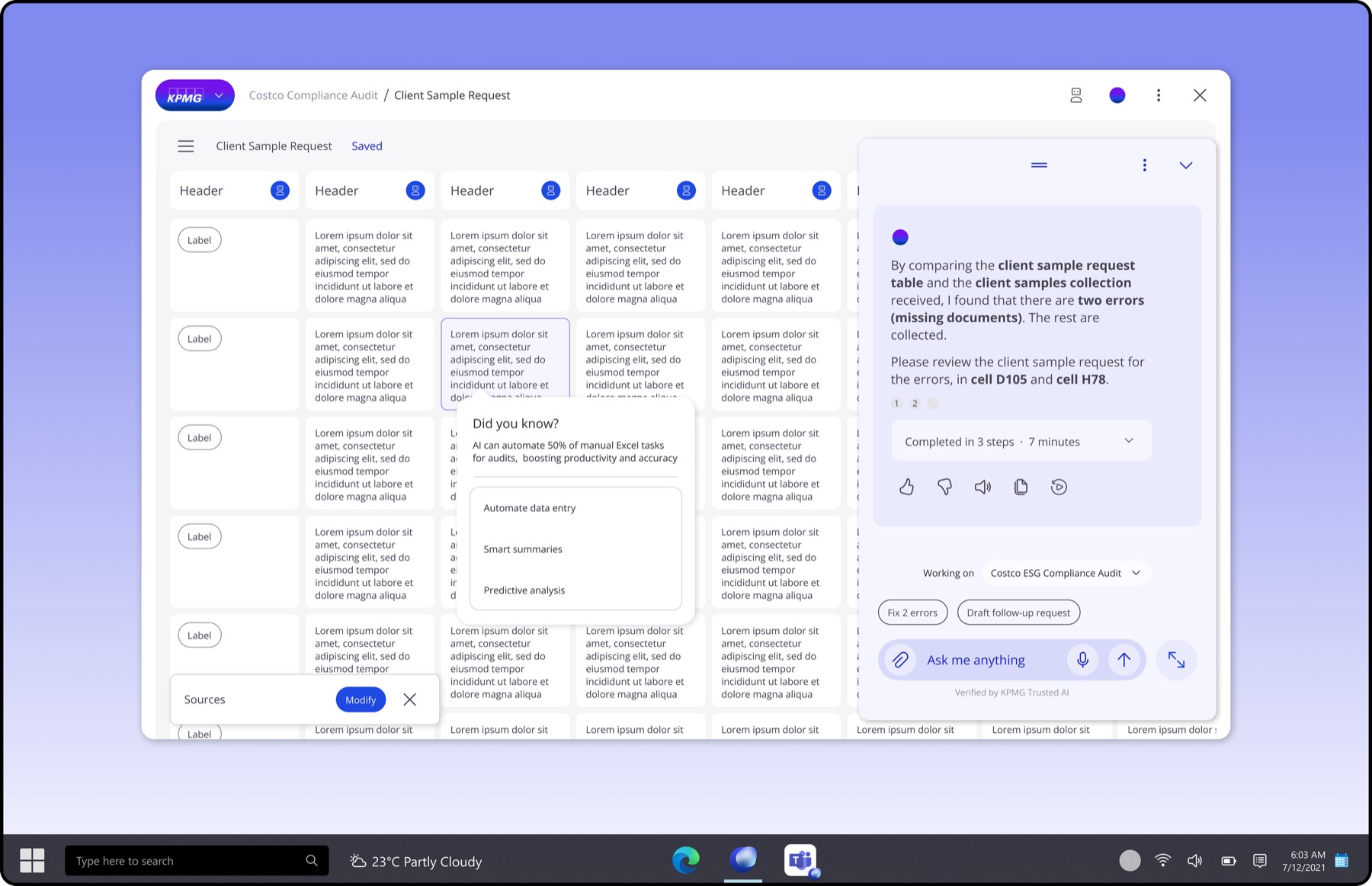
A global AI design system that gives 250,000+ KPMG employees a shared, human-centered foundation for building with AI.
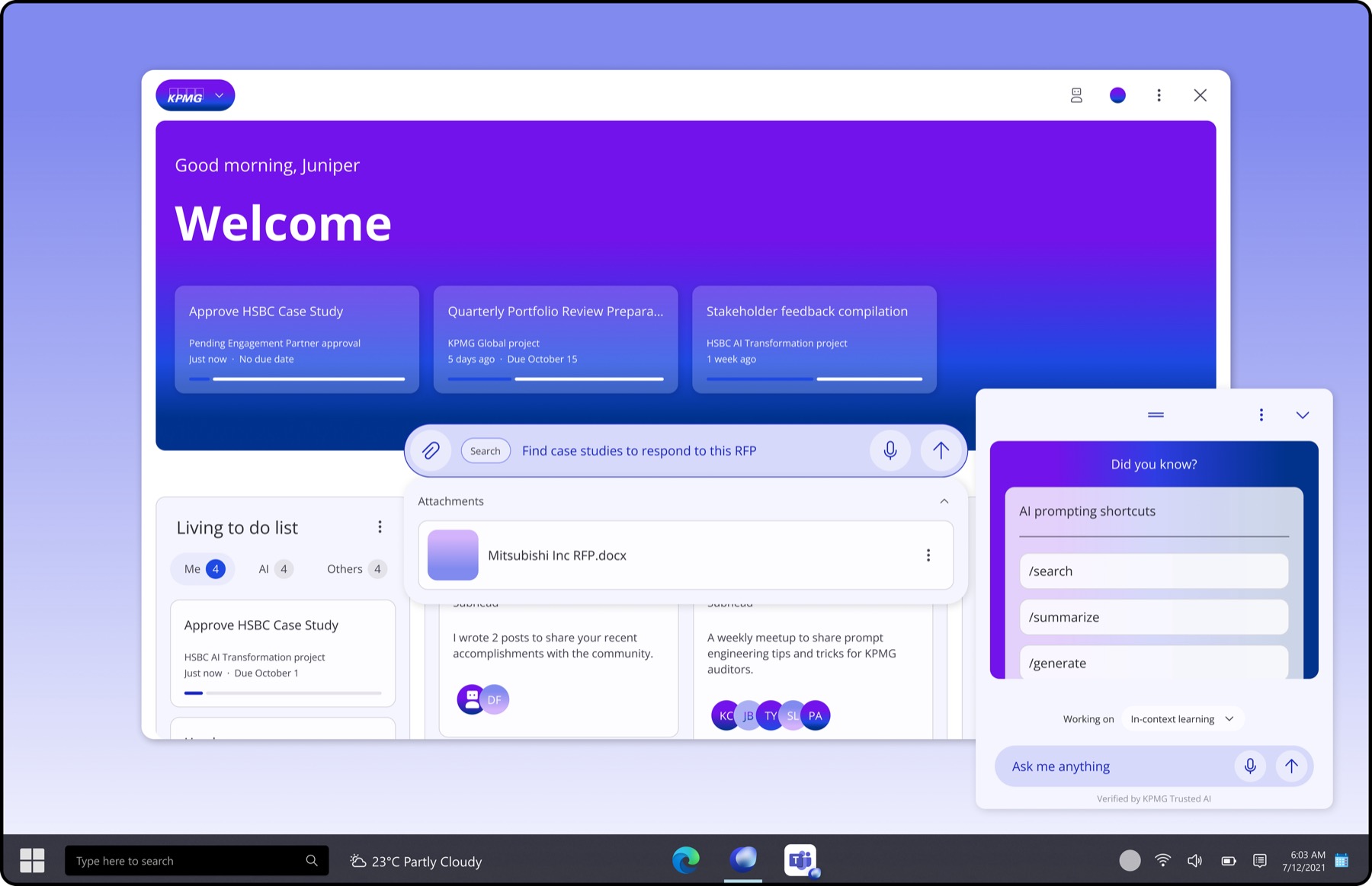
KPMG Global Workbench: AI design system across member firms
Every team had built their own version of AI.
As KPMG's member firms began embedding AI into client-facing and internal tools, a fragmentation problem emerged. Teams across Advisory, Audit, Tax, and Business Services were designing AI interactions independently, each with their own patterns for loading states, error handling, trust signals, and handoff moments. The result was a patchwork of experiences that looked nothing alike and behaved even more differently.
"We kept rebuilding the same components. Every team had their own version of an AI disclaimer, their own loading pattern. None of them talked to each other."
Product Lead, KPMG AdvisoryFor employees navigating multiple AI-powered tools, the inconsistency eroded confidence. If the AI explained its reasoning differently in each product, how were users supposed to know when to trust it? And for design and engineering teams, the lack of shared foundations meant duplicating work across regions, slowing delivery, and increasing risk.
"We kept rebuilding the same components. Every team had their own version of an AI disclaimer, their own loading pattern. None of them talked to each other."
Product Lead, KPMG AdvisoryWho we talked to
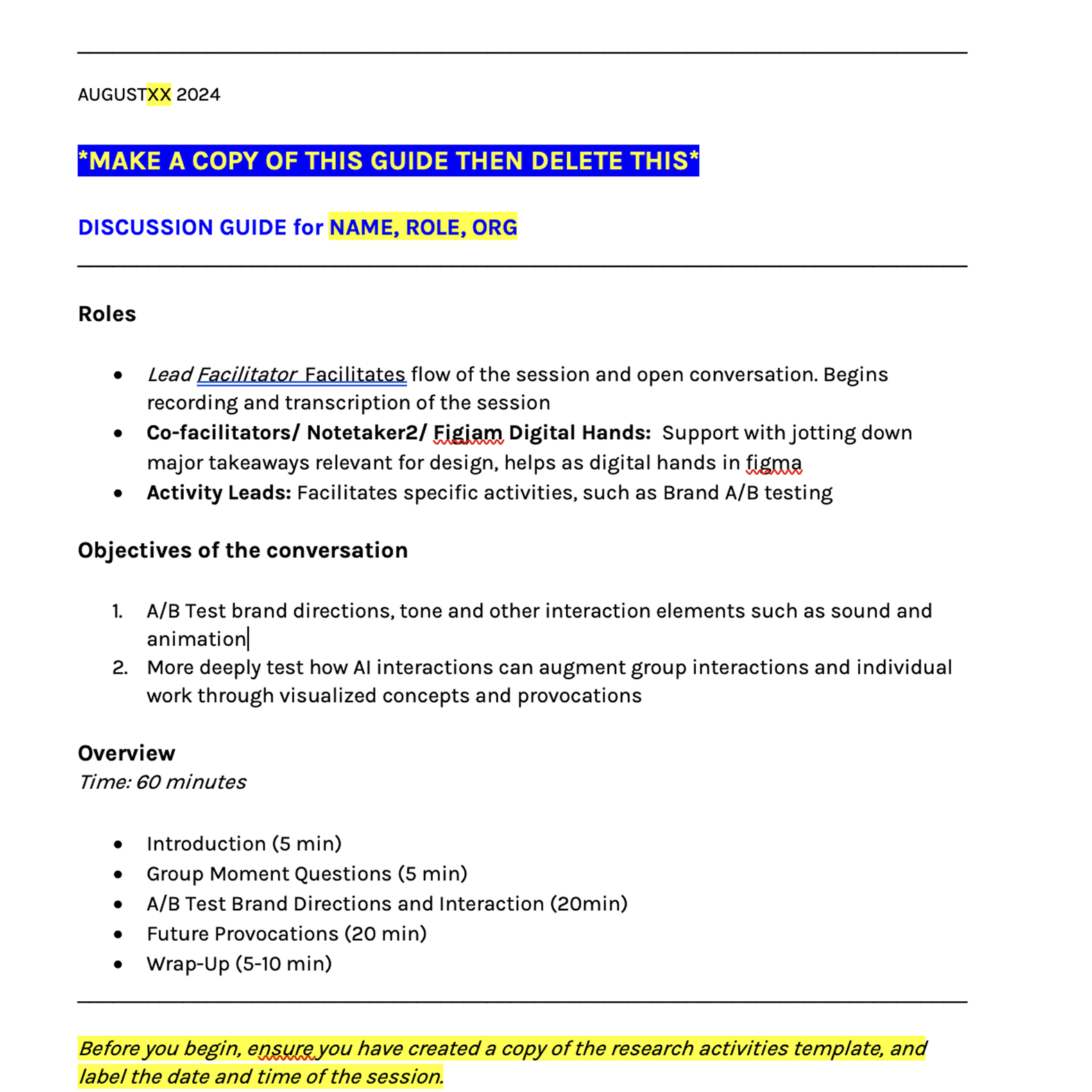
We conducted 30 in-depth interviews with KPMG employees spanning four practice areas and three global regions, from associates to partners. The goal was to understand not just how people used AI tools, but how they felt about them and where trust broke down.
What we asked
Interviews focused on current AI tool usage, moments of hesitation or confusion, how users verified AI outputs, and what would make them more confident acting on AI recommendations. We also probed for attitudes toward consistency, asking people to compare experiences across tools they used day-to-day.
Primary research methods
Participatory Group Conversations
Structured sessions with cross-functional teams to surface shared pain points, map current AI workflows, and identify moments of friction across practice areas and regions.
Co-creative Exercises
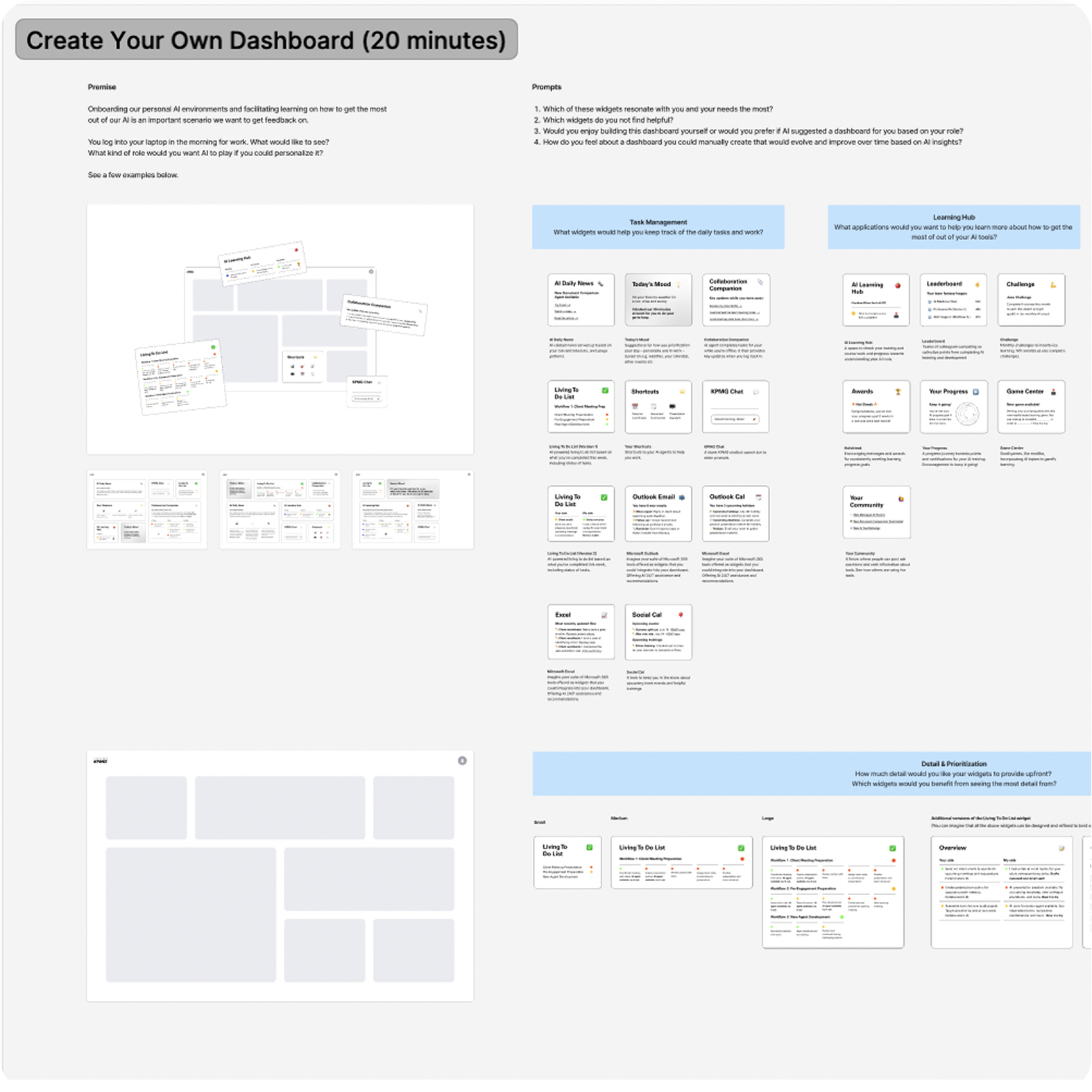
"Day in the Life" and "Create Your Own Dashboard" activities gave participants agency to show us their ideal AI experience, revealing workflow integration needs we hadn't anticipated.
Visual Mockups and Sacrificial Concepts
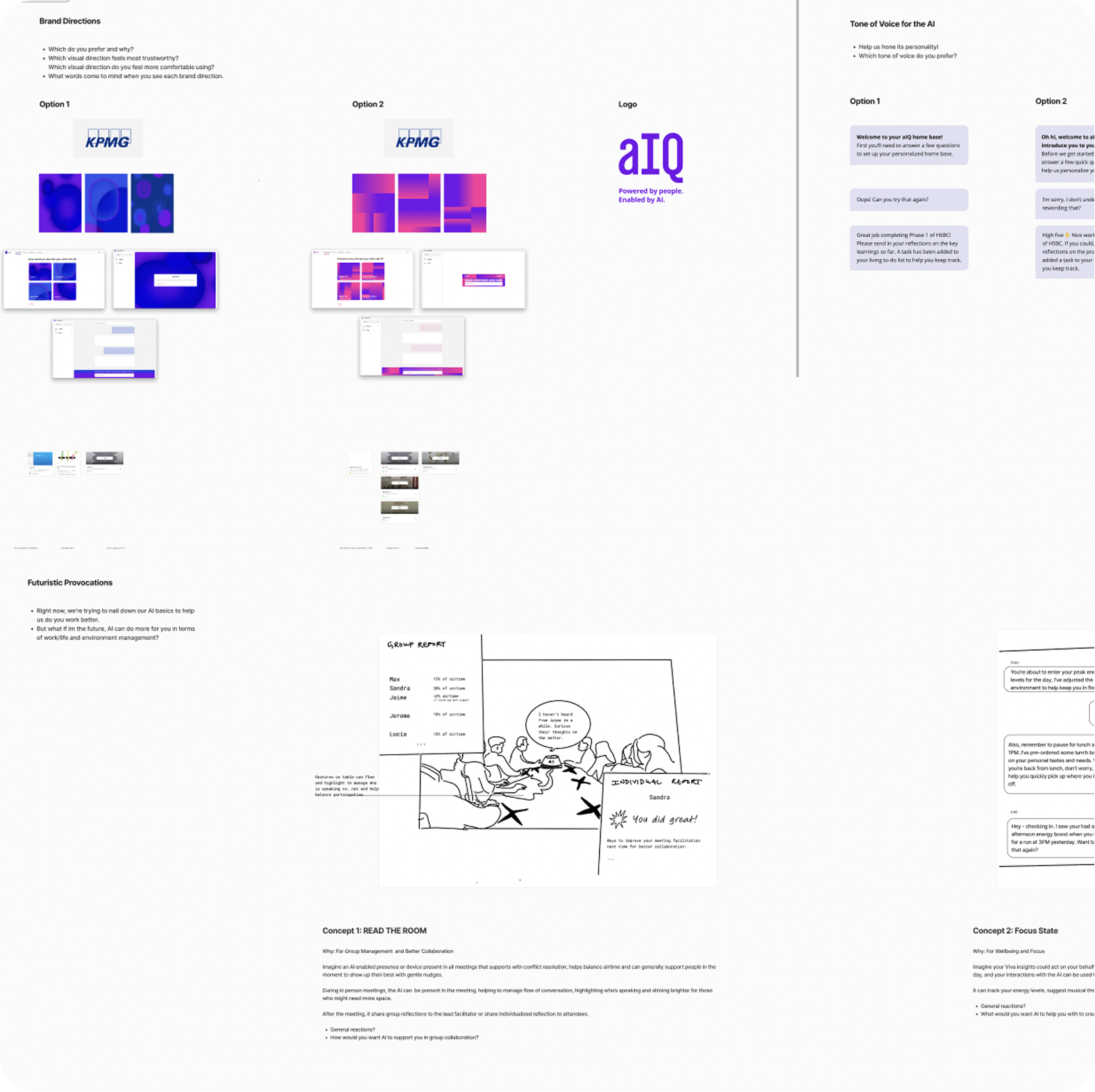
Deliberately rough prototypes were used to provoke reaction rather than polish. Showing users what we were not building proved just as valuable as showing what we were.
Market landscape and competitive analysis
In parallel with primary research, we conducted a broad audit of AI design systems, enterprise UX patterns, and sector-specific AI products across consulting, fintech, and legal. We benchmarked against Microsoft Copilot, IBM's AI design guidelines, Google's PAIR framework, and several emerging enterprise AI products to identify gaps and opportunities specific to KPMG's context.
What we heard
Six consistent themes emerged across all interviews, regions, and practice areas. They pointed not just at UI inconsistency, but at a deeper trust deficit between users and AI-powered systems.
People work differently, so AI needs to adapt
Users across regions described different mental models for how AI should assist them. A one-size interaction model created confusion rather than confidence.
People expect AI to make their jobs easier, not harder
Frustration peaked when AI tools added steps rather than removed them. Users wanted AI embedded in their existing flow, not bolted on as a separate product.
There is a broad spectrum of proficiency levels
From AI-skeptic partners to early-adopter associates, the range of comfort with AI was wide. Patterns had to meet users wherever they were without condescending to either end.
The presentation of information is just as important as the information itself
Users didn't distrust AI outputs because they were wrong. They distrusted them because they didn't know how to evaluate them. Explainability was the missing layer.
People share data with confidence when regulation is clear
When users understood data governance and compliance guardrails, they engaged more openly. Surfacing this information reduced anxiety and increased tool adoption.
People find understanding AI an overwhelming task
Users reported cognitive overload when AI tools required them to learn new mental models. Familiar interaction paradigms with AI layered in were far better received than AI-first interfaces.
One system, built for everyone
The Global Workbench is a unified AI design system that gives KPMG member firms a shared foundation for designing, building, and scaling AI-powered tools. It treats AI behavior, not just visual style, as a first-class design concern.
The system covers four core areas: standardized UI components for AI interactions, explicit patterns for trust and explainability, workflow-integration guidelines for embedding AI within existing tools, and localization frameworks that allow regional adaptation without fragmenting the global experience.
"Before, every team was solving the same problems separately. Workbench gave us a shared language for what good AI UX looks like."
Design Lead, KPMG EMEA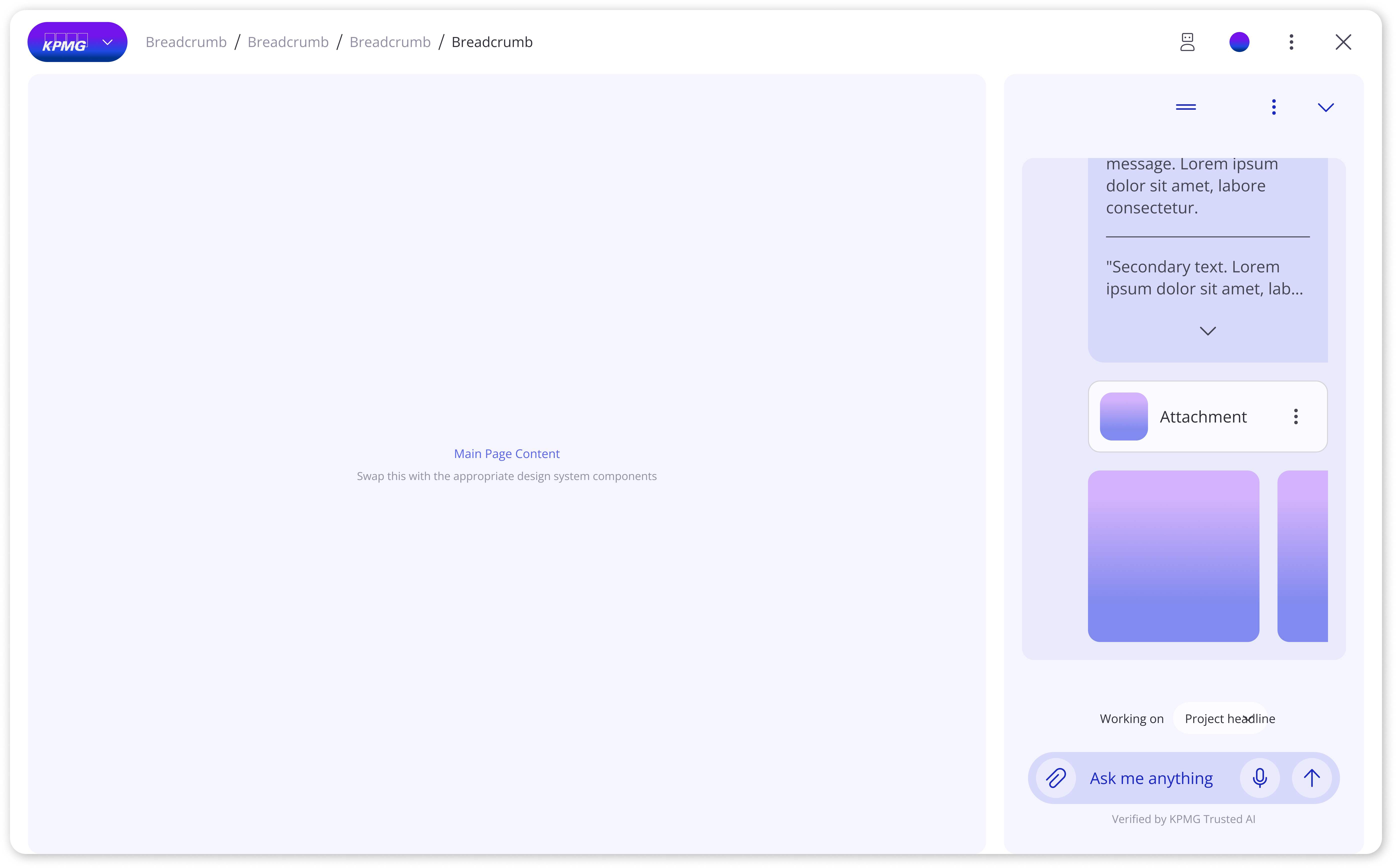
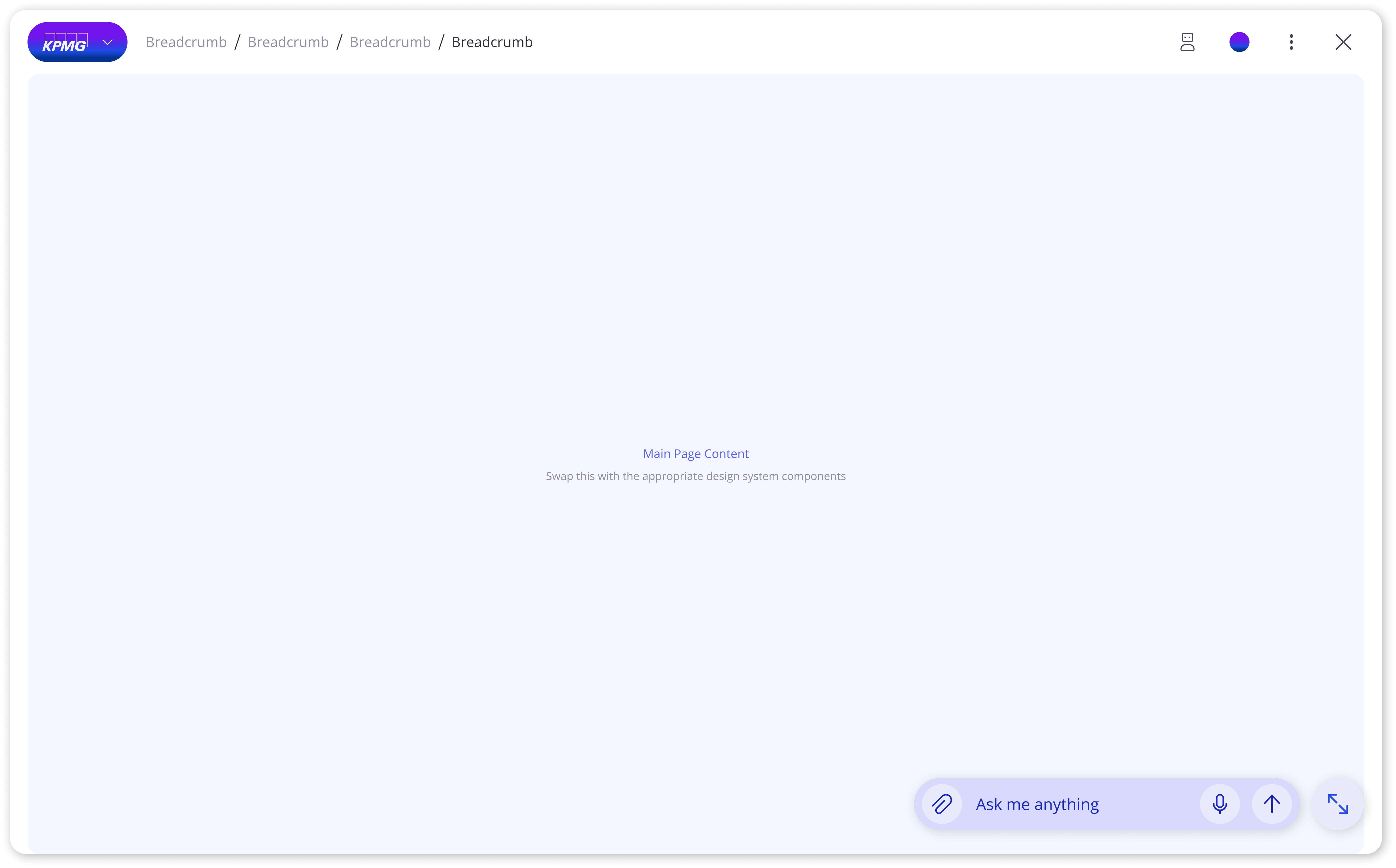
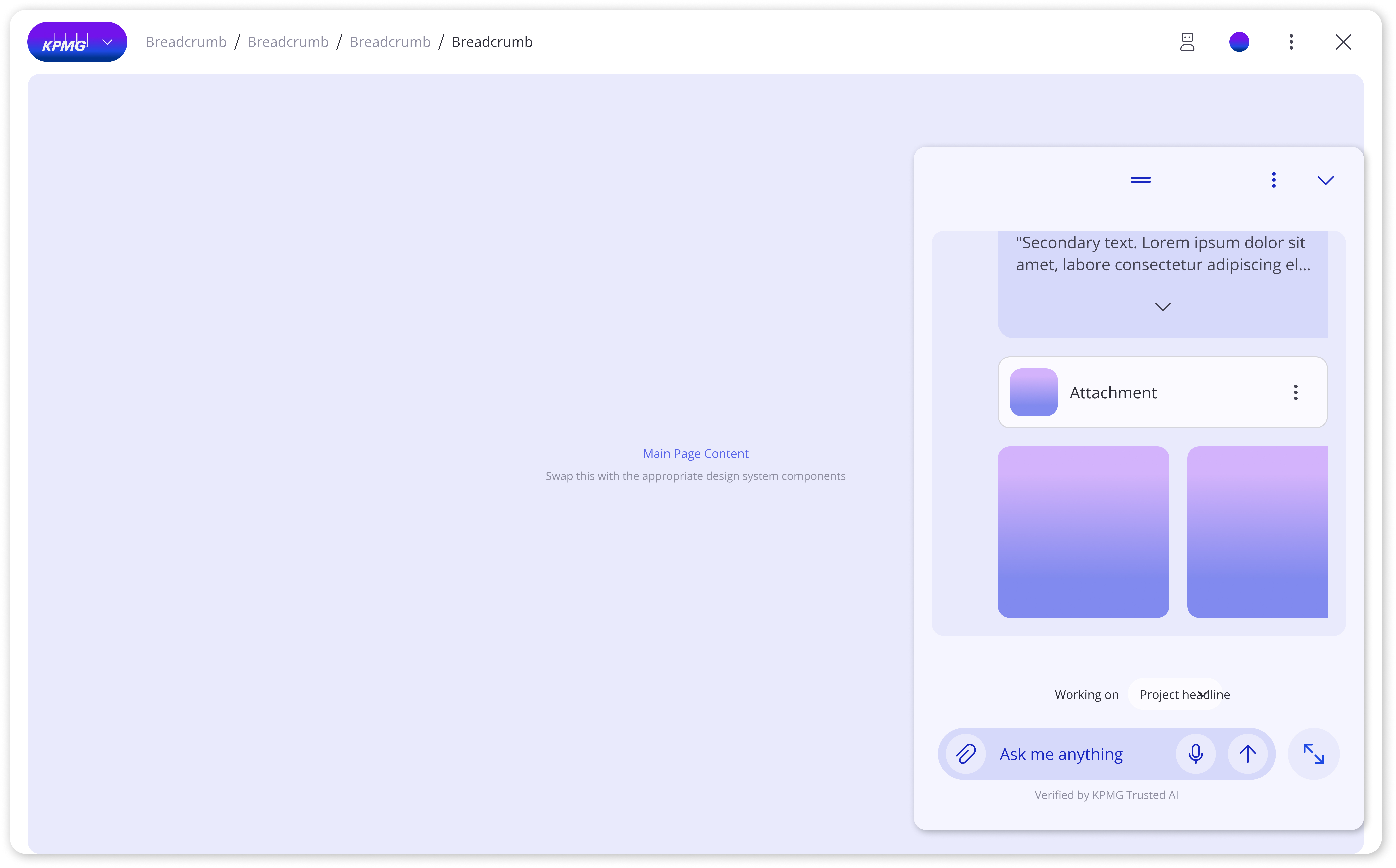
Canonical layouts: reusable page structures covering empty states, split-panel views, and AI-assisted configurations across every Workbench product surface.
The building blocks
The system is built on a foundation of design tokens covering color, typography, spacing, iconography, avatars, borders, and shadows. Each token is documented with usage guidelines and light/dark mode variants, giving teams a single source of truth that scales across platforms and regions.

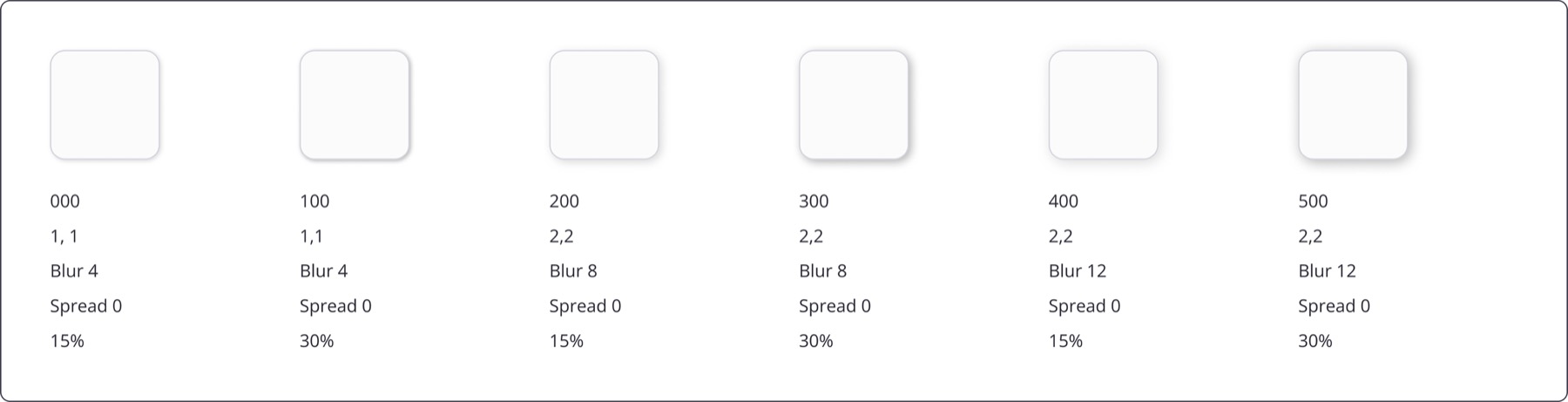
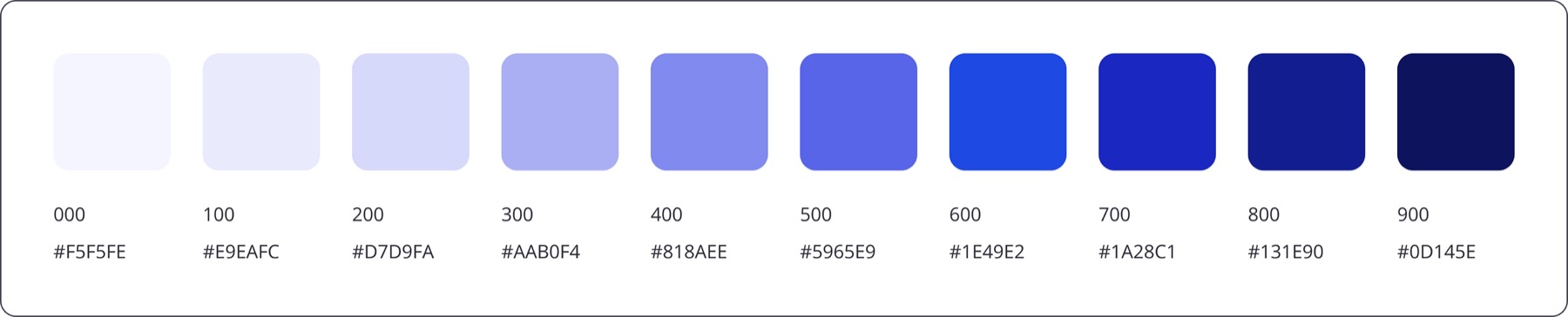
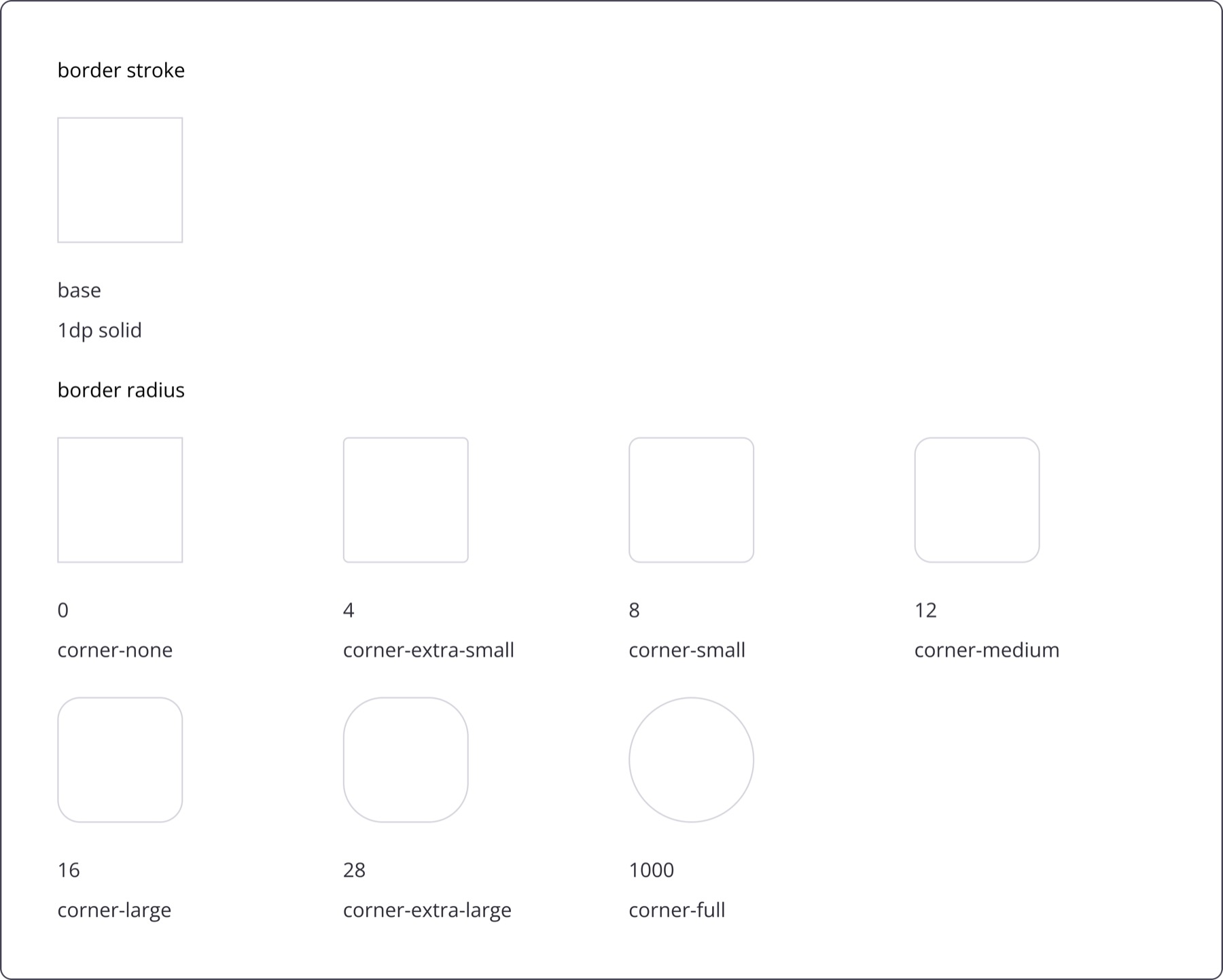
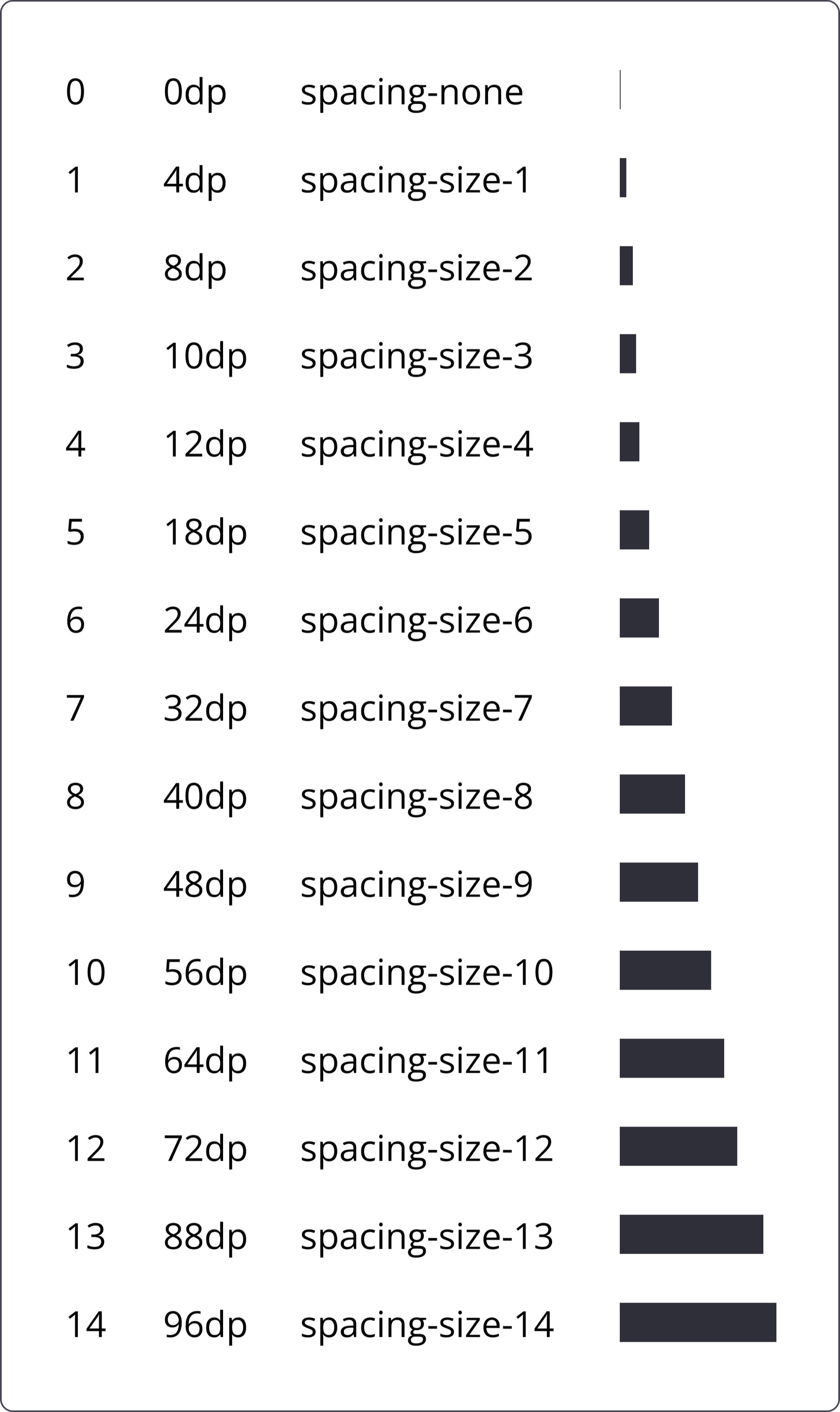
Desktop display typography, shadow elevation, color, border, and spacing tokens across the Workbench system
Voice and sound and motion design guidelines across the Workbench system
A shared component library
Built on top of the token foundation, the Workbench component library provides a suite of reusable UI building blocks: buttons, inputs, cards, modals, navigation patterns, and more. Each component is documented with usage guidelines, interaction states, and accessibility specs, enabling teams to ship consistent experiences faster.
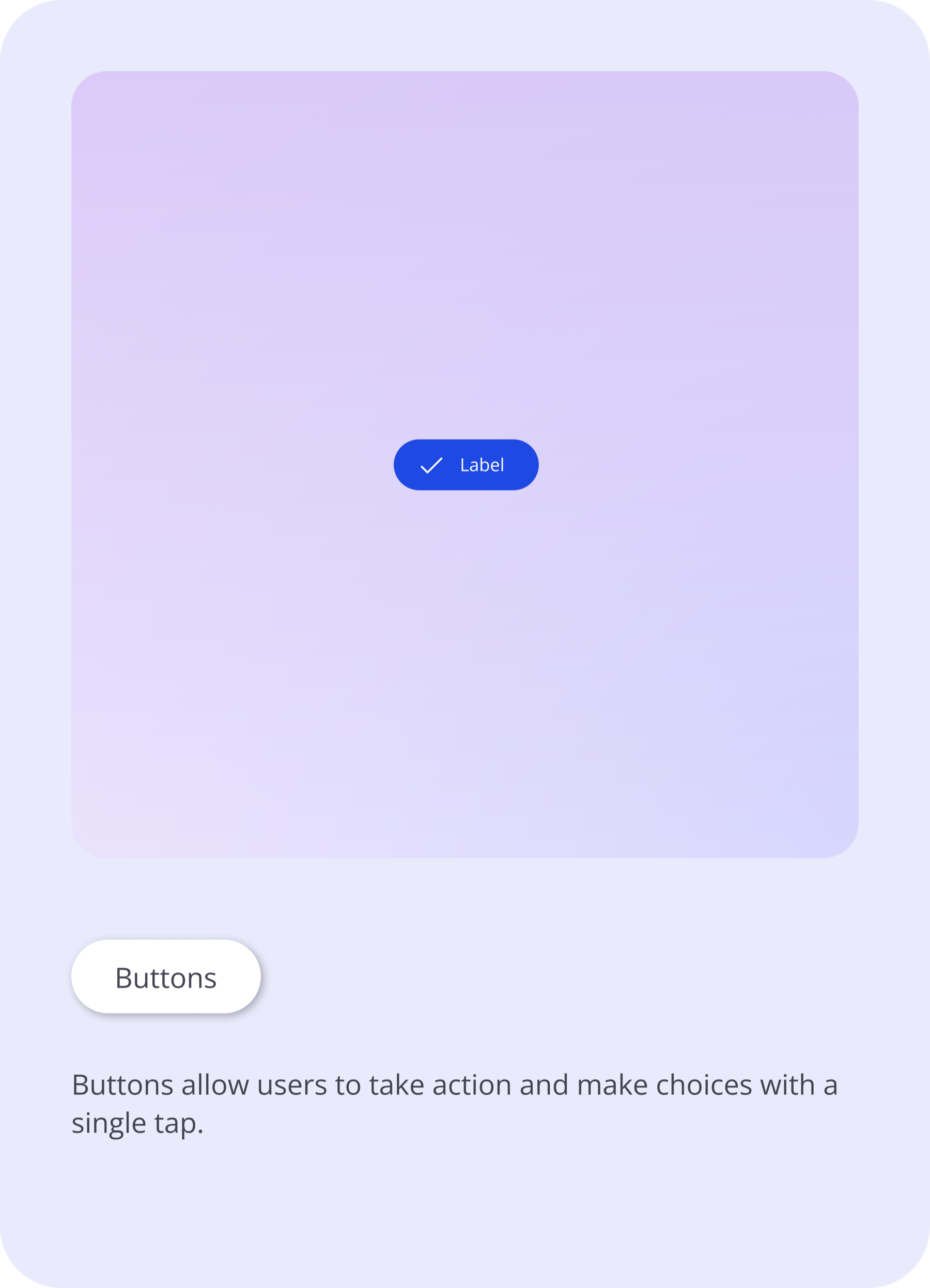
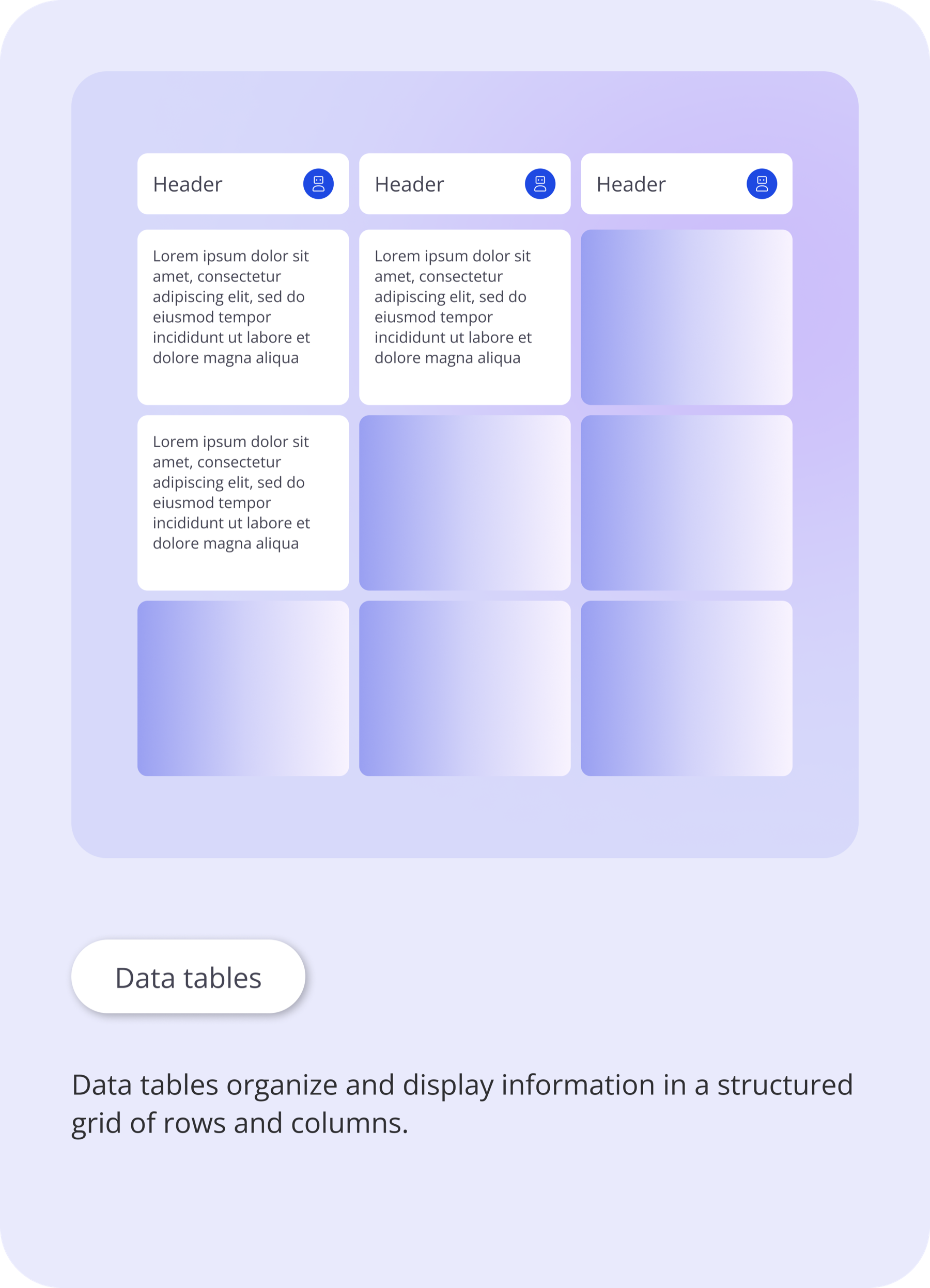
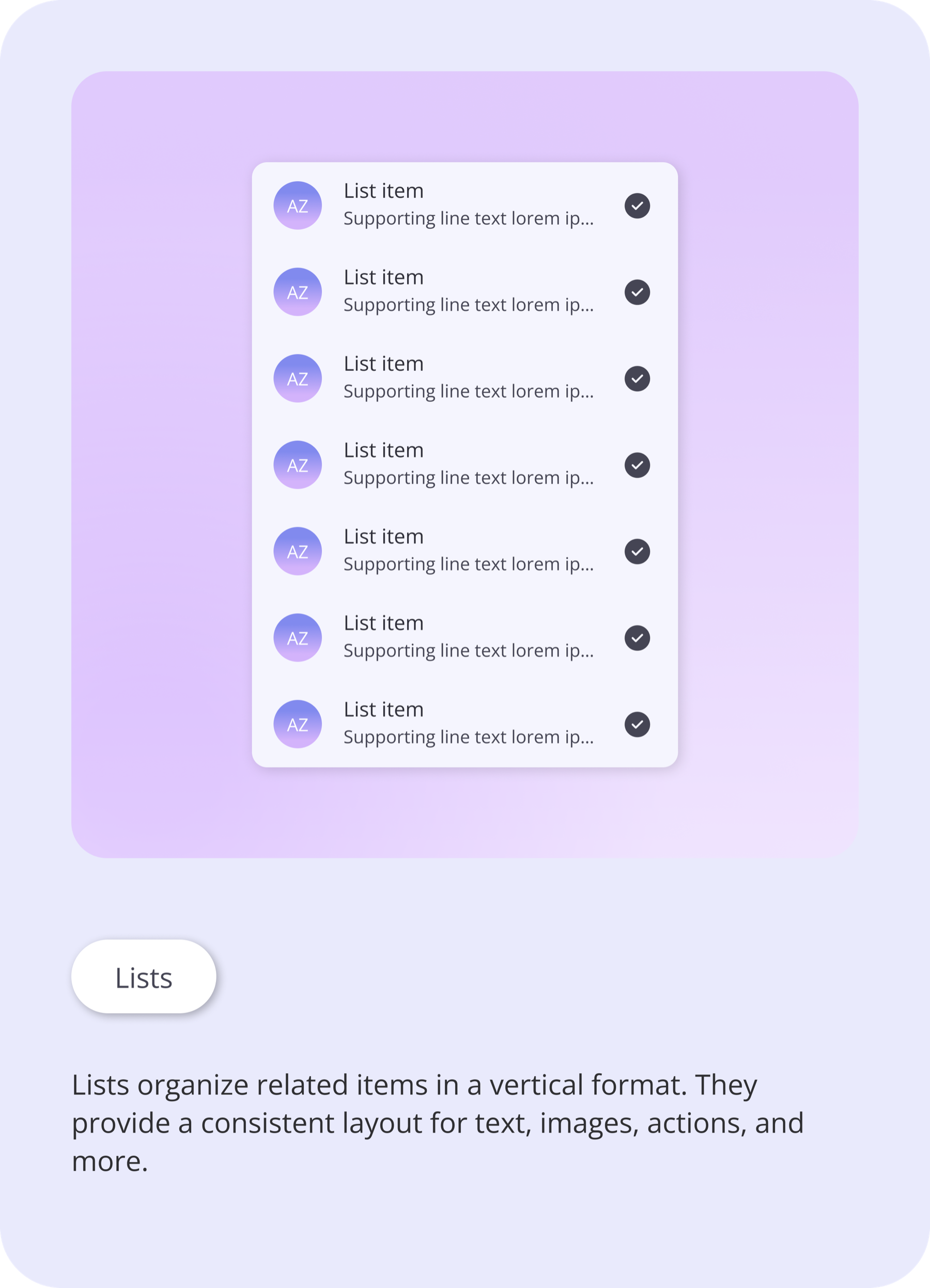
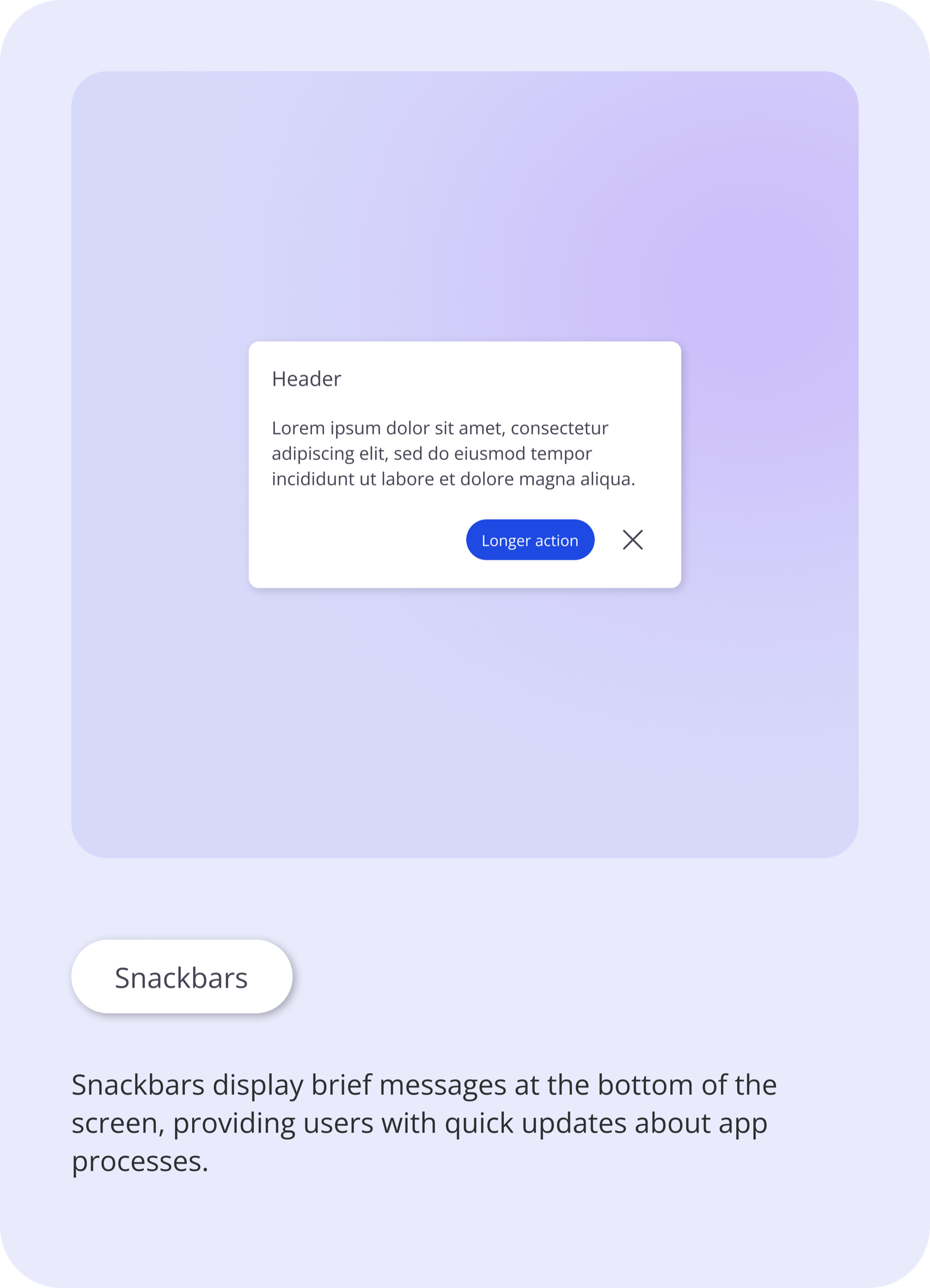
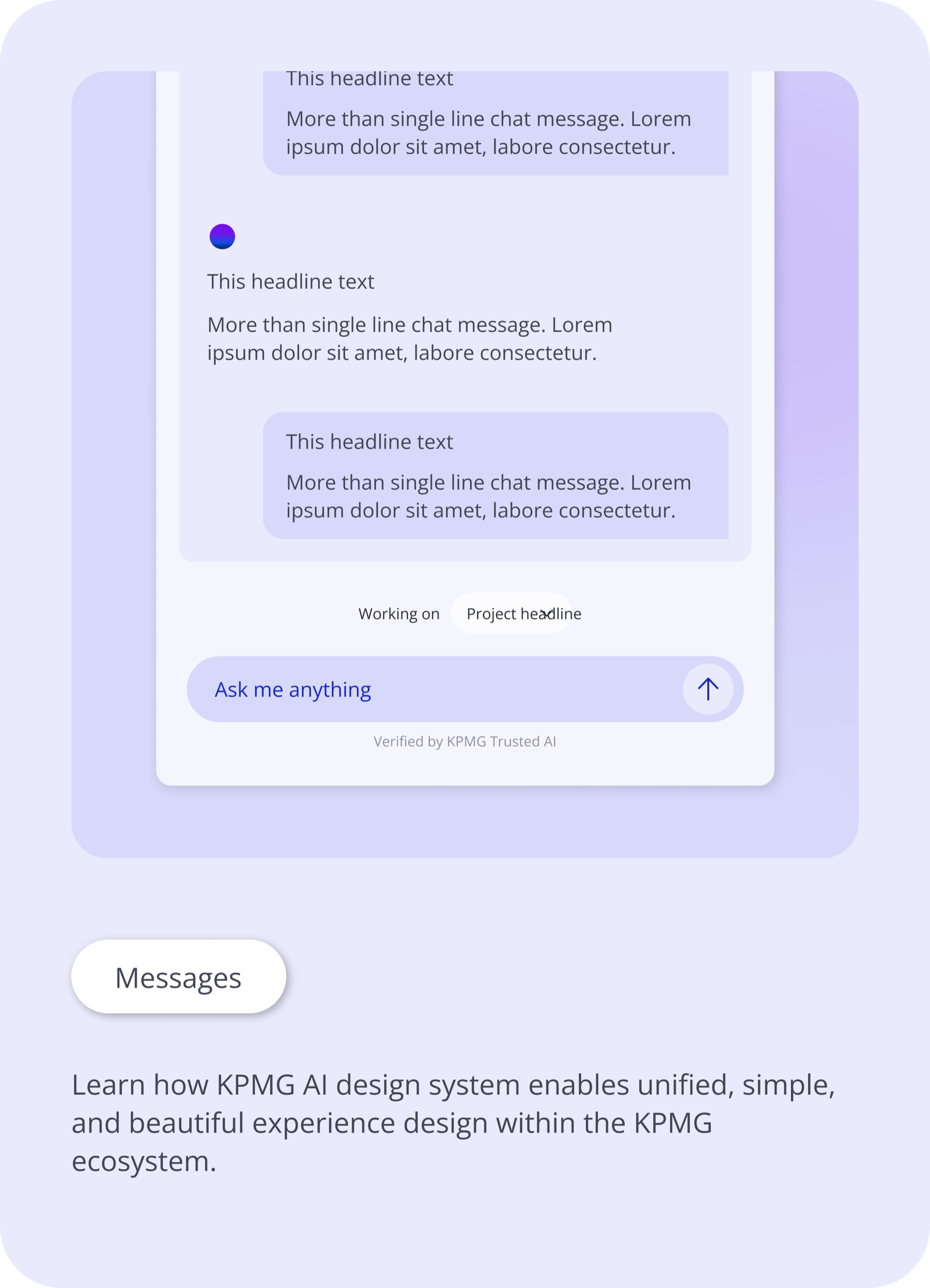
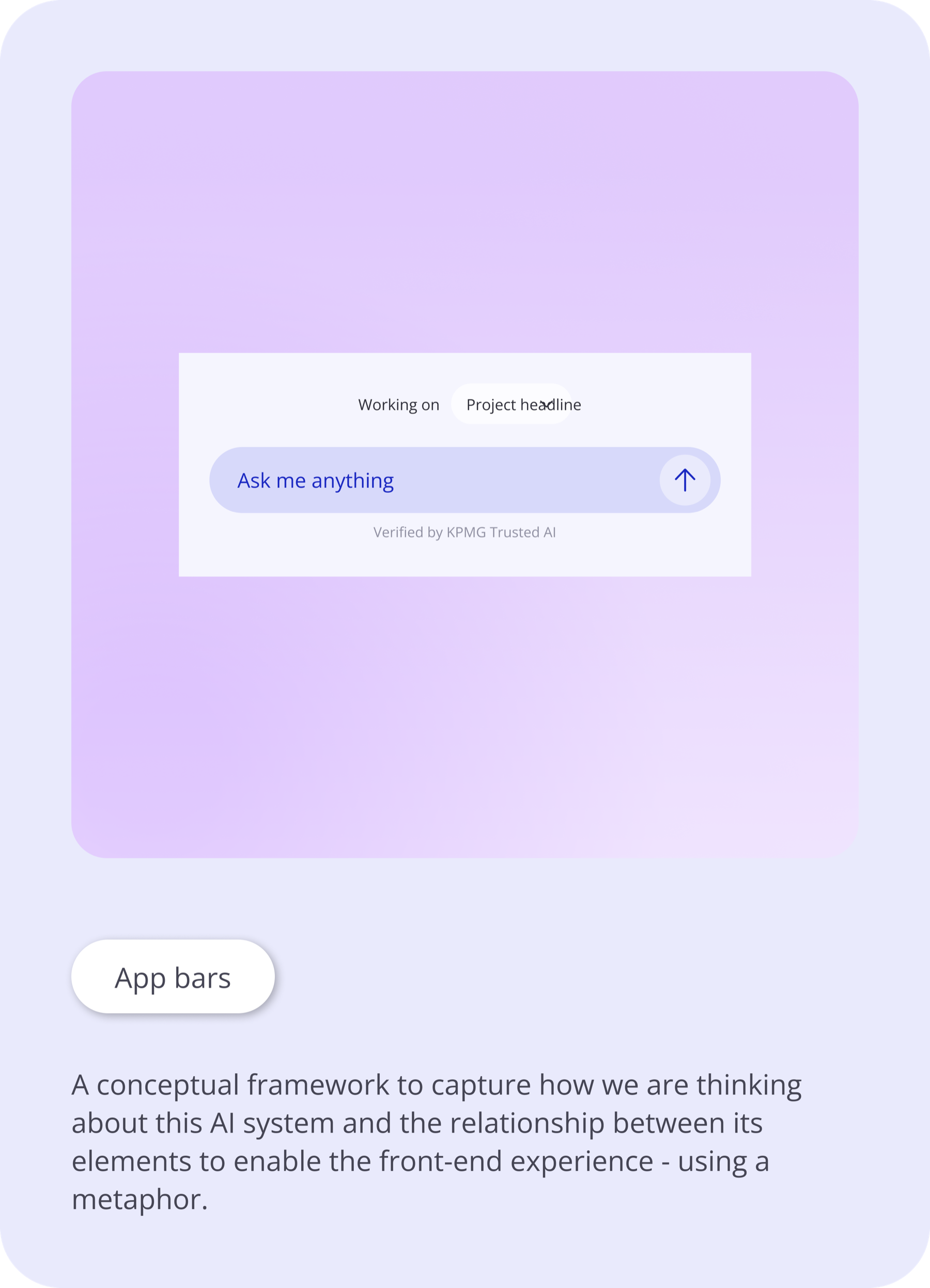
Reusable components spanning navigation, forms, data display, and feedback patterns across the Workbench system
Defining how AI behaves across surfaces
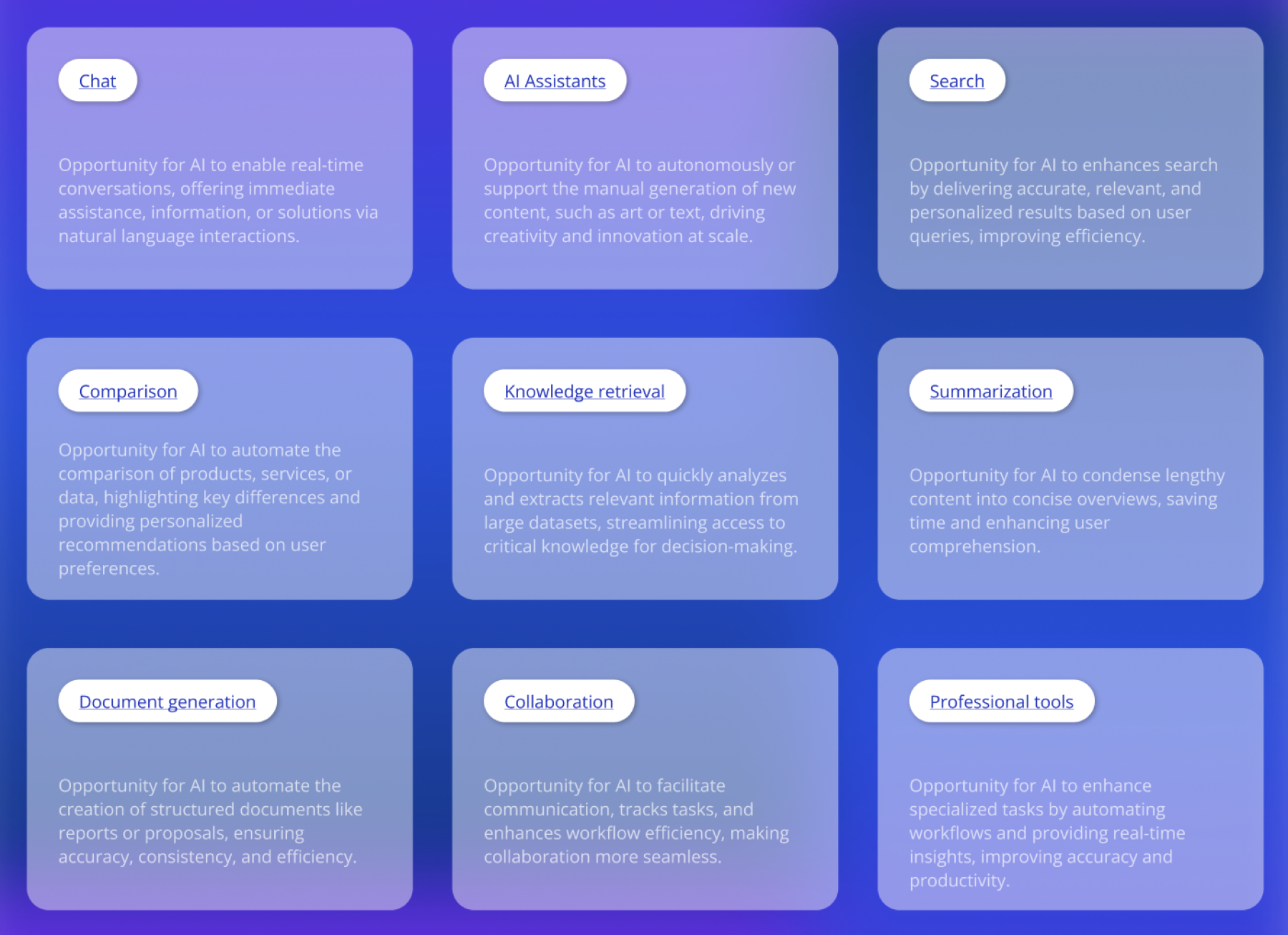
Behavioral patterns describe common AI interactions and how users engage with intelligent features across the Workbench platform. These patterns provide a shared language for product, design, and engineering teams, ensuring consistency and predictability no matter where AI surfaces within the product.
Testing with cross-functional teams
We ran structured usability testing across Advisory, Audit, and Tax teams, validating core component usability and AI interaction patterns before documentation. Testing focused on three questions: could users understand what the AI was doing, could they verify it, and did they feel in control?
Iterative design reviews with global member firms surfaced localization needs we had not anticipated, particularly around AI explainability language and regulatory disclosure placement. A select-firm pilot across three regions collected structured feedback that shaped the final component guidelines.
A shared foundation for AI at scale
Global Workbench became the shared foundation for AI product development across KPMG's enterprise portfolio. Member firms that adopted the system saw significantly faster design and development timelines, with teams spending less time solving solved problems and more time on product-specific innovation.
"I felt like I finally understood what the AI was telling me, and more importantly, what to do with it."
Senior Associate, Audit, post-pilot surveyWhat this taught me
Consistency is a trust mechanism. For enterprise AI, visual and behavioral consistency across tools is not an aesthetic preference. It is the primary mechanism through which users build confidence in AI recommendations over time.
Design with users, not just for them. Co-creation exercises produced insights that no amount of stakeholder interviews would have surfaced. When users show you their ideal workflow, they reveal constraints the organization didn't know existed.
Explainability is not a feature, it is a foundation. The question was never whether AI outputs were accurate. It was whether users could evaluate them. Building explainability into every interaction pattern changed the relationship between users and AI tools entirely.